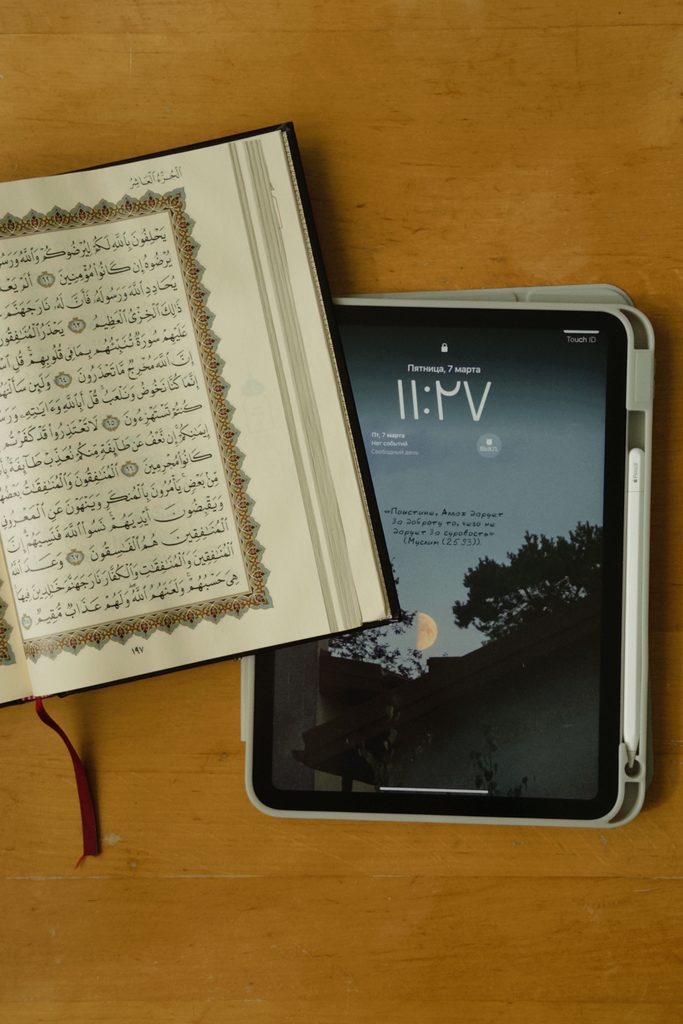

Tajweed Rules for Beginners: A Simple Guide to Correct Quran Recitation
Learning to read the Holy Quran is a wonderful journey, and understanding Tajweed is an important part of that journey. For beginners, learning Tajweed rules may seem challenging at first, but with the right guidance and regular practice, anyone can improve their Quran recitation.
At Alnoor Academy, we help children and adults learn Tajweed step by step through personalized online Quran lessons with qualified teachers.
In this guide, you will discover the most important Tajweed rules every beginner should know and how to start applying them correctly.
What Are Tajweed Rules?
Tajweed rules are guidelines that explain how to pronounce the letters and words of the Holy Quran correctly.
They help readers give every Arabic letter its proper articulation point and characteristics while observing the rules of Quranic recitation.
The purpose of Tajweed is to preserve the correct pronunciation of the Quran and improve the quality of recitation.
7 Essential Tajweed Rules for Beginners
1. Makharij Al-Huroof (Articulation Points)
Makharij Al-Huroof refers to the places where Arabic letters originate when pronounced.
The main articulation areas include:
- The throat.
- The tongue.
- The lips.
- The nasal passage.
- The empty space in the mouth and throat.
Understanding these points helps students pronounce Arabic letters accurately.
2. Noon Sakinah and Tanween
One of the most important topics in Tajweed is Noon Sakinah and Tanween.
There are four main rules:
- Izhar: Pronouncing the Noon sound clearly.
- Idgham: Merging the Noon sound into the following letter.
- Iqlab: Changing the Noon sound into a Meem sound in its specific context.
- Ikhfa: Pronouncing the Noon sound with concealment and Ghunnah.
3. Meem Sakinah Rules
Meem Sakinah has three main rules:
- Ikhfa Shafawi.
- Idgham Shafawi.
- Izhar Shafawi.
These rules explain how to pronounce Meem Sakinah depending on the letter that follows it.
4. Madd (Elongation)
Madd means extending a vowel sound during Quranic recitation.
There are different types of Madd, including:
- Madd Tabee’i (Natural Madd).
- Madd Muttasil.
- Madd Munfasil.
- Madd Lazim.
Beginners should start with Natural Madd before learning the more advanced types.
5. Qalqalah
Qalqalah is a slight echoing sound produced when one of the five Qalqalah letters carries a Sukoon.
The five letters are:
ق ط ب ج د
Students should practice these letters carefully to understand how Qalqalah sounds during recitation.
6. Ghunnah (Nasal Sound)
Ghunnah is a nasal sound associated with the letters Noon and Meem in specific Tajweed rules.
It is an essential part of correct Quran recitation and is commonly practiced when learning Idgham and Ikhfa.
7. Rules of Stopping and Starting (Waqf and Ibtida)
Waqf refers to stopping during Quran recitation, while Ibtida refers to beginning or resuming recitation.
Learning these rules helps students understand where to stop and how to continue reading appropriately.
How Can Beginners Learn Tajweed Easily?
The best way to learn Tajweed is to follow a structured learning plan.
Here are some practical tips:
- Learn the Arabic alphabet and letter sounds.
- Practice the articulation points of Arabic letters.
- Study one Tajweed rule at a time.
- Listen to accurate Quran recitation.
- Practice with short Quranic verses.
- Read regularly with a qualified Quran teacher.
- Review previous lessons to strengthen your knowledge.
Remember that learning Tajweed takes patience, consistency, and regular practice.
Common Mistakes Beginners Should Avoid
Many beginners make pronunciation mistakes while learning Quran recitation.
Some common mistakes include:
- Confusing Arabic letters with similar sounds.
- Ignoring the rules of Noon Sakinah and Tanween.
- Extending vowels for incorrect durations.
- Forgetting the rules of Ghunnah.
- Applying Qalqalah incorrectly.
- Reading too quickly without focusing on pronunciation.
A qualified teacher can help students identify and correct these mistakes.
Why Learn Tajweed Online with Alnoor Academy?
Alnoor Academy provides personalized online Quran and Tajweed classes for children and adults worldwide.
Our programs focus on helping every student develop correct pronunciation and improve Quran recitation at their own pace.
What We Offer
- Experienced and qualified Quran teachers.
- Private one-to-one online classes.
- Tajweed lessons for beginners and advanced students.
- Programs for children and adults.
- Flexible class schedules.
- Individual attention and continuous feedback.
- A supportive and encouraging learning environment.
Whether you are starting from the beginning or improving your existing skills, our teachers are ready to guide you.
Frequently Asked Questions
Can I Learn Tajweed Without Previous Experience?
Yes. Beginners can start learning Tajweed without previous experience by studying Arabic letters, pronunciation, and basic rules.
What Is the First Tajweed Rule I Should Learn?
It is helpful to begin with the Arabic alphabet and Makharij Al-Huroof before moving to the detailed Tajweed rules.
Is Tajweed Difficult to Learn?
Tajweed becomes easier when lessons are organized into small steps and students practice regularly with a qualified teacher.
Can Children Learn Tajweed Online?
Yes. Children can learn Tajweed through age-appropriate lessons, repetition, interactive activities, and individual teacher guidance.
How Often Should I Practice Tajweed?
Regular practice is important. Even a short daily practice session can help students improve their pronunciation and confidence.
Begin Learning Tajweed with Alnoor Academy
Every step toward learning the correct recitation of the Holy Quran is valuable.
At Alnoor Academy, we make learning Tajweed accessible through personalized online lessons, experienced teachers, and structured educational programs.
Start your learning journey today and discover the beauty of Quran recitation.
Join Alnoor Academy and Start Your Free Trial Today!